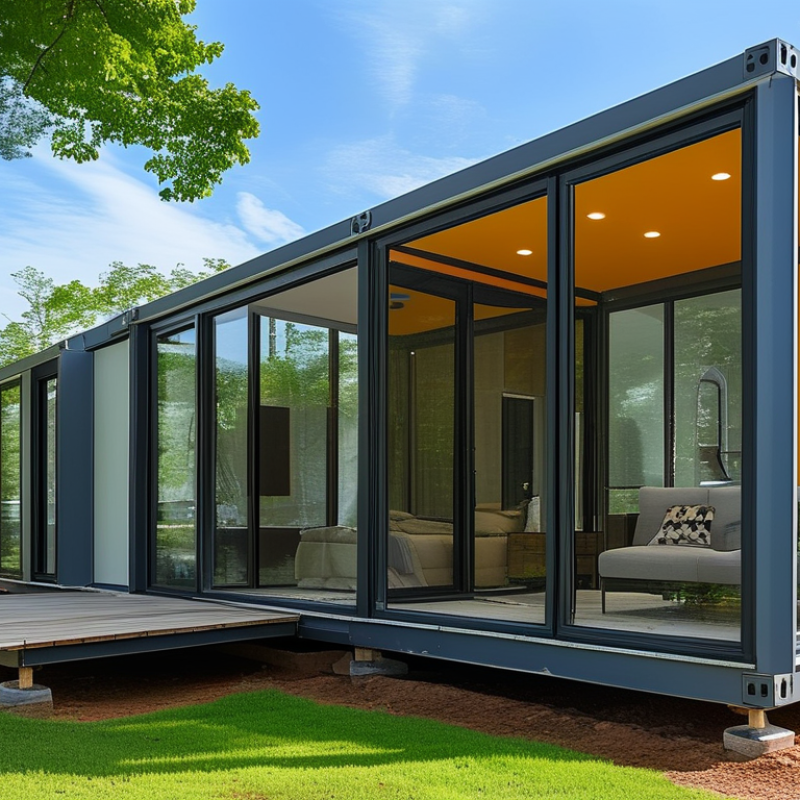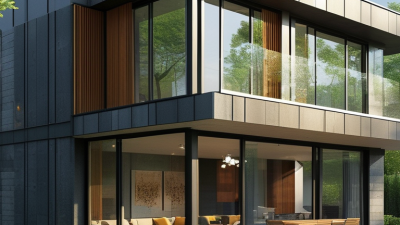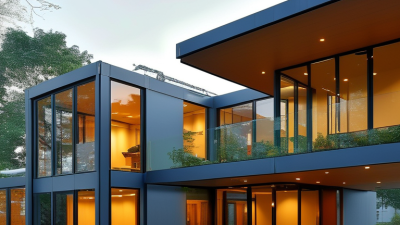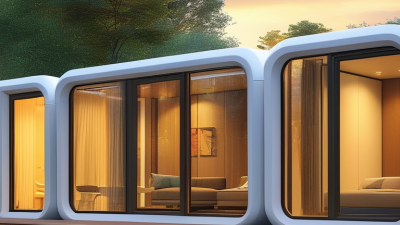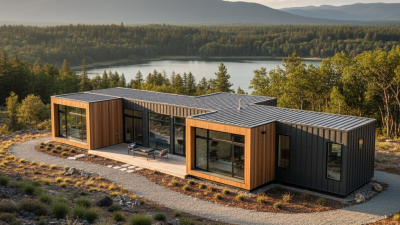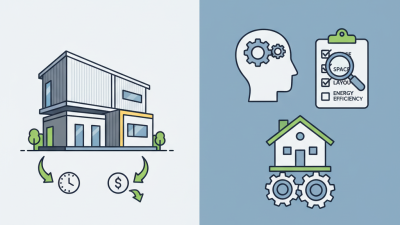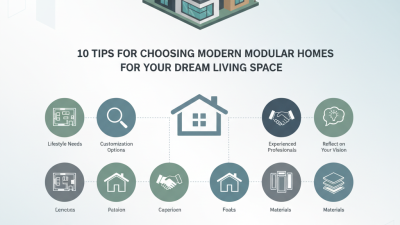
Modular homes are gaining popularity for various reasons. These prefabricated structures offer efficiency and flexibility in design. They can be built in a controlled environment, which minimizes waste and weather delays. This aspect makes modular homes an attractive option for both builders and homeowners.
Quality is a standout feature of modular homes. Each module undergoes rigorous inspections during construction, ensuring that they meet high standards. Homeowners benefit from durable materials and craftsmanship. Unlike traditional homes, modular units are assembled with precision, often leading to fewer long-term issues. However, some may find the appearance or customization options limited compared to site-built homes.
Cost savings also play a crucial role. Modular homes can be less expensive due to reduced labor costs and efficient resource usage. Buyers often find that they can invest in better finishes or additional features. Nevertheless, it is essential for prospective homeowners to consider local regulations and zoning laws. Understanding these factors is key to successfully choosing the right modular home.
Benefits of Modular Homes: Speed of Construction and Efficiency
Modular homes offer significant advantages in speed of construction. These homes are built in sections, or modules, in a factory setting. This controlled environment allows for streamlined building processes. As a result, construction time can be reduced significantly compared to traditional site-built homes. What might take months can often be completed in a matter of weeks.
Efficiency plays a crucial role in the modular home process. The manufacturing techniques used enhance resource management. Waste is minimized because materials are used more effectively. This practice not only saves money but also reduces the environmental impact. Homebuyers might consider this a double benefit: cost savings along with sustainability.
However, building modular homes comes with challenges. The initial design may limit customization options. Some homeowners find that their creativity feels restricted. There’s also the concern of perception; modular homes often face stigma. Many still associate them with lower quality. But, with growing advancements and awareness, this opinion is changing. Potential buyers should weigh these factors carefully to make informed decisions that align with their goals.
Cost-Effectiveness of Modular Homes Compared to Traditional Builds
Modular homes offer significant cost advantages over traditional builds. Constructing a modular home can save both time and money. The building process is streamlined in a factory environment. This reduces labor costs and minimizes material waste. As a result, buyers often find modular options to be more budget-friendly.
Additionally, modular homes are built to strict standards. They must meet local building codes. This ensures that the finished product is safe and durable. However, some people might question the resale value of modular homes. While they can be lower than traditional homes, the gap is closing as acceptance grows. A well-built modular home can be just as appealing as a site-built house.
Financing options for modular homes have improved. Lenders are becoming more familiar with them. This increases confidence for potential buyers. Yet, understanding the financial implications is vital. Unexpected costs can arise during the installation process. Doing thorough research can help mitigate these risks. Overall, the cost-effectiveness of modular homes remains a compelling reason for many buyers.
Sustainability and Environmental Impact of Modular Home Construction
The sustainability and environmental impact of modular homes are increasingly becoming significant factors in the construction industry. Modular homes are built in factory settings, which allows for better resource management. According to the National Association of Home Builders, modular construction can reduce waste by up to 30%. This is primarily due to precise cutting and the ability to recycle materials efficiently.
Moreover, modular homes are often designed with energy efficiency in mind. The U.S. Department of Energy reports that these homes can consume up to 20% less energy than traditional homes. Many modular homes incorporate high-performance insulation and energy-efficient systems. These features lead to lower utility bills and a minimized carbon footprint.
However, there are challenges. Not all modular homes are built with sustainable practices, which can lead to skepticism about their environmental impact. Additionally, the reliance on factory production introduces concerns about transportation emissions and the overall lifecycle of materials used. A comprehensive evaluation is necessary to ensure that the benefits outweigh the drawbacks. This approach fosters a more balanced understanding of how modular construction can align with sustainable living principles.
Customization Options Available in Modular Home Design
Modular homes offer unique customization options that allow homeowners to design spaces catering to their lifestyle. From open floor plans to specific room placements, the flexibility in layout is a significant advantage. You can choose the number of rooms and their configurations, ensuring that the home meets your family’s needs. This level of personalization creates a living environment that truly reflects your tastes.
When designing your modular home, consider the materials used. Options range from eco-friendly to traditional finishes. Each choice affects not just aesthetics but also longevity and maintenance. Think about the future; some materials may require more upkeep, potentially impacting your enjoyment of the home.
Also, focus on energy efficiency as you make decisions. Incorporating solar panels, high-quality insulation, and energy-efficient windows can significantly reduce long-term costs. It’s essential to weigh the initial investment against future savings. Stay informed about the latest trends and technologies in modular home building to make educated choices that will serve you well.
Benefits of Choosing Modular Homes
Quality Control and Regulatory Compliance in Modular Home Manufacturing
Modular homes offer significant advantages in quality control and regulatory compliance. The modular construction process allows for greater oversight at every stage. Industry reports reveal that up to 80% of construction happens in a controlled factory environment. This setting minimizes exposure to adverse weather and ensures consistent work conditions. As a result, the overall quality of materials and workmanship is typically superior compared to traditional site-built homes.
Quality assurance is integral to the modular home manufacturing process. Rigorous testing and inspections are conducted to meet local, state, and federal building codes. Various studies show that modular homes can exceed energy efficiency standards by 15% or more when compared to conventional homes. However, challenges remain with local regulations that may hinder modular home deployment. Compliance with these regulations is crucial and often requires additional documentation.
The reliance on factory standards helps ensure that homes are built to last. Builders often utilize innovative technologies for enhanced durability. Industry studies also indicate that modular homes frequently experience fewer warranty claims than traditional homes, demonstrating long-term reliability. Still, homeowners may need to educate themselves about zoning laws that affect modular home placements. Navigating these regulations can be complex, but the potential for high-quality housing remains promising.