logo

How to Choose a Modular House for Global Buyers?

A modular house can look simple on a brochure: clean lines, a compact floor plan, and rooms delivered in factory-made sections. The buying decision is less simple. Global buyers must compare structural systems, insulation, transport dimensions, local climate needs, installation support, and the supplier’s quality records. One overlooked detail can matter. A doorway that works in a showroom may not suit the site, access route, or daily use.

The economics deserve careful reading. McKinsey’s 2019 report, Modular construction: From projects to products, estimated that modular methods could deliver projects 20–50% faster and reduce costs by up to 20% in suitable cases. These are potential gains, not guarantees for every home or market. Professor Ryan E. Smith, a modular-construction researcher at the University of Utah, has emphasized the importance of integrating design, manufacturing, and construction from the start; this is a paraphrase of his work, not a direct quotation. That distinction matters. A useful guide should separate published findings from sales claims and acknowledge where evidence is limited. The right modular house is not necessarily the cheapest or fastest option. It is the one whose specifications, delivery plan, and after-sales support match the buyer’s actual site and needs.

How to Choose a Modular House for Global Buyers?

Define Your Housing Needs, Site Conditions, and Budget

Choosing a modular house begins with your daily life, not a floor plan. Count bedrooms, storage needs, work areas, and accessibility requirements. A family near a cold coast needs stronger insulation and moisture control than a buyer in a dry inland region. Define these details before comparing suppliers.

Site conditions can change the project more than the house itself. Check soil stability, road width, crane access, drainage, wind exposure, and local planning rules. The World Bank reports that more than 80% of global population growth will occur in cities by 2050, increasing pressure on smaller and more complex sites. A compact modular design may fit well, but transport restrictions can still create delays. Measure twice.

Budget beyond the factory price. Include foundations, utility connections, permits, shipping, taxes, installation, and future maintenance.

McKinsey’s 2019 report, Modular Construction: From Projects to Products, found that modular methods can reduce construction schedules by 20–50% and costs by up to 20% under suitable conditions.

Those figures are not guarantees. Remote locations, design changes, and weak local infrastructure can erase the savings. UN-Habitat estimates that 1.6 billion people lack adequate housing, showing why affordability must include long-term operating costs. Review energy use, repair access, and replacement materials. A low initial quote may be a false economy.

No checklist is perfect. Recheck the assumptions with a qualified local architect or engineer before signing.

Check Local Building Codes, Permits, and Climate Requirements

How to Choose a Modular House for Global Buyers?

Local compliance should guide your modular house choice, not just floor plans or factory speed. Building codes govern structural loads, fire separation, insulation, ventilation, plumbing, and electrical systems. Requirements may change between cities, even within one country. Ask the local authority for written guidance before signing a purchase contract. Confirm who submits drawings, schedules inspections, and obtains the occupancy permit. A factory certificate alone may not satisfy local approval requirements.

Climate data should shape the specification. The International Energy Agency’s Buildings 2023 report states that buildings consume about 30% of global final energy. It also reports that buildings create roughly 26% of energy-related emissions. For hot regions, request solar shading, reflective roofing, and tested cooling performance. Cold areas may require stronger insulation, airtightness, frost protection, and higher snow-load capacity. Coastal sites need corrosion-resistant fixings and careful moisture control. Small details matter.

Check the site’s wind, flood, seismic, and wildfire exposure. Use official hazard maps and ask a licensed local engineer to verify the design. A modular home may travel across borders, but its compliance cannot. Permits can also affect transport routes, crane access, and foundation construction. A neat checklist can still miss drainage or soil conditions. That is the uncomfortable part. Allow time for redesign, because the cheapest approved option is rarely the fastest one.

How Climate Conditions Affect Modular House Selection

Annual precipitation is a useful first-stage climate indicator when comparing modular house requirements. Higher-rainfall locations generally require stronger water drainage, roof waterproofing, ventilation, and moisture-control measures, while dry locations require dust protection, shading, and efficient cooling design.

The figures are rounded annual precipitation benchmarks in millimetres based on published 1991–2020 climate normals. Before purchase, buyers should verify local building codes, planning permissions, structural wind and snow loads, flood risk, insulation rules, and utility requirements with the local authority.

Compare Modular Designs, Materials, and Customization Options

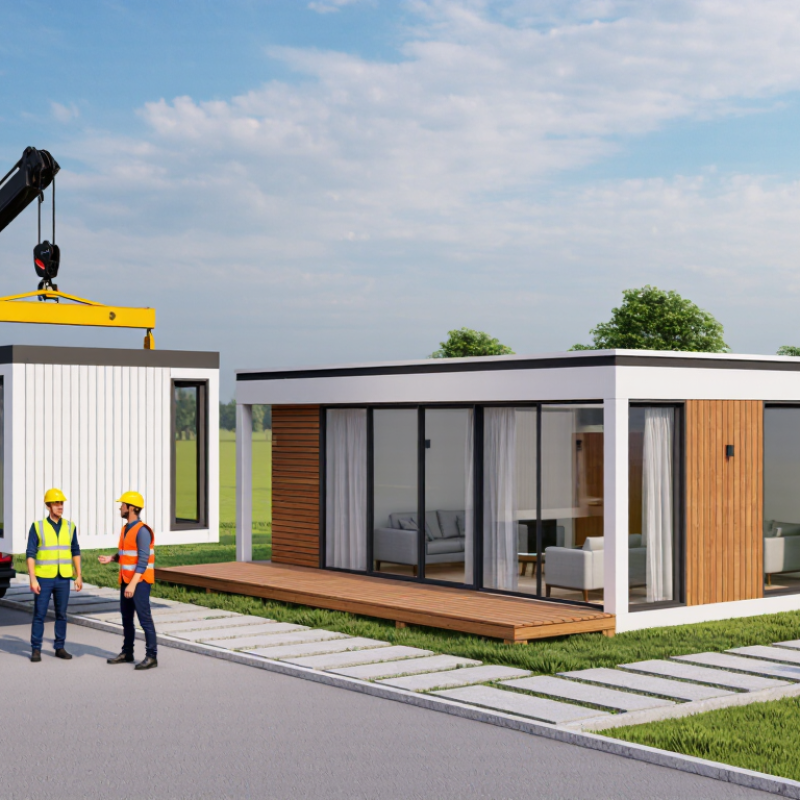
Global buyers should compare more than floor plans. A modular home must suit the site, climate, transport route, and local building requirements. Study roof pitch, window placement, and room orientation carefully. In snowy regions, a stronger roof structure may be essential. In hot climates, shaded windows and cross-ventilation can reduce indoor heat. A compact 60-square-meter design can feel spacious with built-in storage and clear walking paths. Small details matter.

Material choice affects comfort, maintenance, lifespan, and shipping weight. Steel frames offer strength and consistent dimensions, while treated timber can provide warmth and easier interior changes. Wall panels need suitable insulation, moisture control, and fire performance for the local environment. Ask for technical data, warranty terms, and maintenance guidance before deciding. Customization should improve daily use, not only appearance. Moving a kitchen wall may affect plumbing and delivery costs. I would not assume every upgrade is practical. Some attractive choices create long-term repairs.

Tips: Request detailed drawings and a full material schedule. Confirm foundation requirements before ordering. Compare transport dimensions, installation time, and replacement-part access. Visit a completed modular home if possible. Leave a realistic budget for site preparation, permits, and unexpected adjustments. A simple design often travels better.

Evaluate Manufacturers, Quality Standards, and Warranty Terms

How to Choose a Modular House for Global Buyers?

Evaluate Manufacturers, Quality Standards, and Warranty Terms

A reliable supplier should show more than attractive renders. Request factory inspection records, material specifications, structural calculations, and references for homes built in similar climates. Check whether quality procedures follow ISO 9001; it supports consistent processes, but does not certify a particular house. McKinsey’s 2019 report, Modular construction: From projects to products, estimates modular methods can shorten project timelines by 20–50%. That potential depends on design, transport, site readiness, and installation—not just factory speed. A polished brochure is not proof.

Tips

Ask who handles damage in transit, installation defects, and replacement parts. Get warranty duration, exclusions, claim steps, and response times in writing. Confirm that coverage includes the building’s intended climate; salt air, heavy rain, or freeze-thaw cycles can expose weak details. Ask for independent inspection before shipment, with dated photos of connections, seals, and finishes.

Compare warranty terms line by line. A long warranty may exclude labor or shipping, leaving costly gaps. Confirm who provides local service and whether spare components are available. Standards and approvals vary by destination, so have a qualified local professional review the documents before purchase. Even then, paperwork can miss a detail. Check it against the actual unit.

Plan Shipping, Site Preparation, Installation, and Total Costs

How to Choose a Modular House for Global Buyers?

Shipping is part of the house price, not an afterthought. More than 80% of global trade volume moves by sea, according to UNCTAD’s Review of Maritime Transport 2023. Ask for a container plan, cargo dimensions, loading photos, and the exact delivery port. Oversized modules may require special handling, escort vehicles, or route surveys. Port storage charges can grow quickly when customs clearance is delayed. Weather and currency movements also deserve a buffer.

Site preparation needs local evidence. Check soil strength, drainage, flood exposure, road width, crane access, and utility connections before ordering. A flat-looking plot may hide weak ground. That mistake is expensive. Local engineers should confirm foundations and wind, snow, seismic, and thermal requirements. Construction waste can represent 30% of total waste generated in many countries, according to the United Nations Environment Programme, so accurate factory measurements can reduce unnecessary cutting and disposal.

Installation is not simply unloading boxes. Budget for cranes, skilled labor, lifting permits, temporary storage, foundations, plumbing, electrical work, inspections, and weather delays. McKinsey’s report Modular Construction: From Projects to Products indicates that modular methods can reduce schedules by 20–50% and costs by about 20%, but these are potential results, not guarantees. Request a cost schedule with exclusions clearly marked. Include shipping insurance, local taxes, spare materials, and a 10–15% contingency. A cheaper quotation may only be incomplete.

How to Choose a Modular House for Global Buyers? - Plan Shipping, Site Preparation, Installation, and Total Costs

Planning Dimension Typical Requirement or Range Indicative Cost (USD) Typical Timeframe Key Buyer Considerations
House Size 30–40 m² compact unit; 60–80 m² family unit; 100–120 m² larger family unit Varies by specification, structure, insulation, and interior finish Design and approval: 2–8 weeks Confirm whether quoted floor area is net internal area or gross external area.
Factory House Package Basic weather-tight shell through to turnkey interior package Approximately $500–$1,500 per m², excluding land and many local works Manufacturing: 6–16 weeks Request a detailed inclusion schedule for windows, kitchen, bathroom, flooring, appliances, and services.

FAQS

How should local building rules influence a modular house choice?

Check structural loads, fire separation, insulation, ventilation, plumbing, and electrical requirements with the local authority. Ask for written guidance before signing. Confirm who submits drawings, schedules inspections, and obtains the occupancy permit. A factory certificate may not satisfy local approval.

How can climate conditions change the design?

Hot sites may need external shading, reflective roofing, and tested cooling performance. Cold sites often need strong insulation, airtight joints, frost protection, and higher snow-load capacity. Coastal sites need corrosion-resistant fixings and careful moisture control. Small details matter.

What site risks should global buyers investigate?

Review official maps for wind, flooding, earthquakes, and wildfire exposure. A licensed local engineer should verify the design. Check soil, drainage, access, and foundation conditions. A tidy checklist can still miss wet ground.

Which design details deserve close comparison?

Compare roof pitch, window placement, room direction, storage, and walking paths. Snowy regions may require a stronger roof structure. Shaded windows and cross-ventilation can reduce heat in warm climates. A compact home can feel larger with built-in storage.

How do materials affect long-term value?

Steel frames offer strength and consistent dimensions. Treated timber can feel warmer and allow easier interior changes. Wall panels need suitable insulation, moisture control, and fire performance. Ask for technical data, maintenance guidance, and warranty terms. Some attractive finishes create future repairs.

What should buyers confirm before ordering customization?

Request detailed drawings and a full material schedule. Confirm foundation needs, transport dimensions, installation time, and replacement-part access. Moving a kitchen wall may change plumbing and delivery costs. Customization should improve daily use, not merely appearance. I would not assume every upgrade is practical.

How can buyers assess supplier quality?

Request factory inspection records, structural calculations, material specifications, and references from similar climates. Ask for dated photos of connections, seals, and finishes before shipment. Independent inspection can reveal weak details. A polished brochure proves very little.

What should a modular house warranty include?

Get duration, exclusions, claim steps, response times, labor coverage, and shipping responsibilities in writing. Confirm coverage for salt air, heavy rain, and freeze-thaw conditions. Ask who supplies local repairs and replacement parts. Read every line. Paperwork can still miss the actual unit.

Conclusion

Choosing a modular house starts with a clear understanding of your household’s space needs, preferred layout, budget, and the conditions of the building site. Consider access, terrain, utilities, and local climate, then check applicable building codes, permits, and energy or weather requirements before settling on a design. These early steps help ensure the home is practical for its location and reduce the risk of costly changes later.

Compare available layouts, construction materials, finishes, and customization options, and assess manufacturers based on documented quality standards, transparent specifications, and clear warranty terms. A complete plan should also account for transport, site preparation, delivery access, installation, utility connections, and other costs beyond the home itself. By evaluating the full process—not just the purchase price—global buyers can make a more informed choice and select a modular house suited to their needs, site, and budget.