10 Resin Insects Buying Tips for Global Buyers?
Global buyers often admire Resin Insects for their glass-like clarity, delicate wings, and preserved natural detail. Yet appearance alone cannot confirm quality, authenticity, or responsible sourcing. A specimen may look flawless under showroom lighting but reveal bubbles, cracks, fading, or uneven placement after delivery.
Dr. Sarah Lin, an entomological preservation consultant, offers a useful reminder: “A beautiful specimen is still a poor purchase when its origin and condition remain unclear.” Her advice supports a practical buying approach. Buyers should examine resin type, insect identification, curing quality, packaging, supplier experience, and documentation. They should also request close-up photographs, production samples, and clear answers about shipping conditions. Small details matter. A loose wing can become a costly dispute.
This guide presents ten Resin Insects buying tips for importers, retailers, educators, and private collectors. It considers product consistency, communication, ethical sourcing, customization, and after-sales support. It also highlights questions that buyers sometimes forget, especially about humidity protection and replacement policies. No checklist removes every risk. Even experienced purchasers make assumptions. That is worth admitting.
Reliable purchasing depends on evidence, not attractive promises. Compare suppliers carefully. Check their records. Ask for realistic lead times and transparent quotations. Responsible vendors should explain their materials and handling methods without hesitation. They should avoid protected species and provide legally compliant documentation when required. With patient evaluation, global buyers can choose specimens that are visually appealing, safely shipped, and suitable for long-term display.
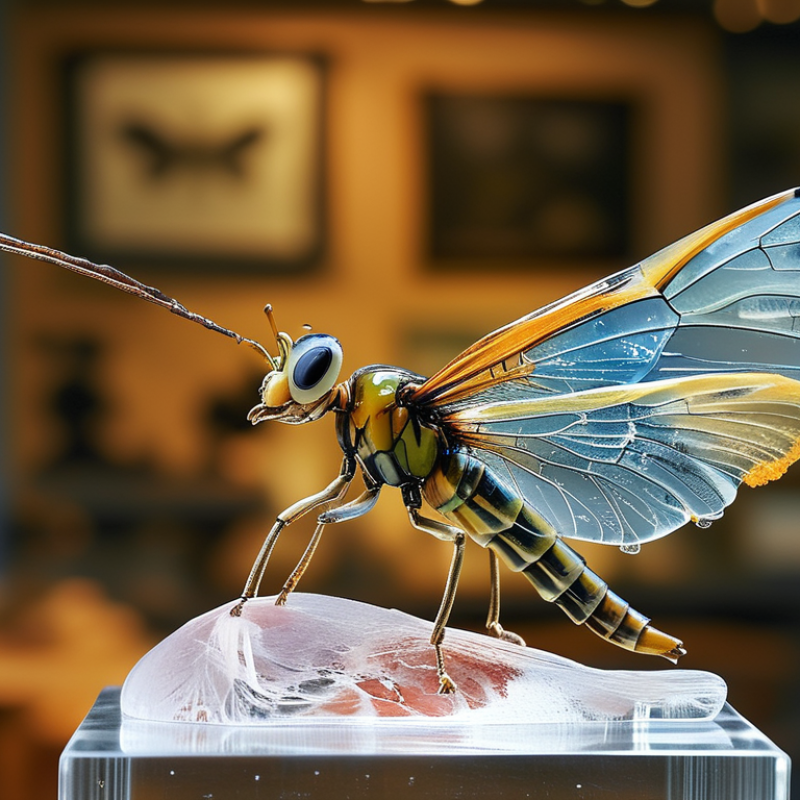
Understanding Resin Insect Products and Global Buyer Needs
10 Resin Insects Buying Tips for Global Buyers
Understanding the product is the first sourcing skill. Resin insects may be molded replicas, educational models, or preserved specimens sealed in clear resin. Ask for the exact material, insect type, dimensions, weight, and intended use. A product used in a museum needs different accuracy from one used as home décor. Examine close-up photographs for cloudy areas, bubbles, sharp edges, uneven legs, and weak color definition. Small flaws matter.
Global buyers should request a physical sample before placing a large order. Check surface hardness, odor, packaging strength, and resistance to moderate heat during transport. I have learned that glossy samples can hide fragile details. That needs careful thought. Confirm whether colors are painted, embedded, or printed, because each method ages differently. Also review carton dimensions, protective inserts, labeling, and breakage procedures. A clear quality standard prevents arguments later.
Compliance requires practical attention. Confirm that the product contains no restricted natural material, and request material declarations when needed. Packaging and labels should match the destination market, especially for educational products or items handled by children. Verify the supplier’s inspection records, production capacity, lead time, and communication habits. Compare samples from different batches, since resin clarity and insect positioning may vary. Leave realistic tolerance for handmade finishing. Perfect uniformity is uncommon, but unexplained changes are not acceptable.
Assessing Craftsmanship, Materials, Detail, and Product Safety
When buying resin insects internationally, inspect the surface before admiring the shape. Fine legs should look crisp, not swollen or fused. Wings need clean edges and balanced thickness. Tiny bubbles under the abdomen may signal poor casting or rushed finishing. Request close-up photos, measurement tolerances, and a sample from the actual production batch. Hand finishing can add character, but uneven paint should not excuse weak craftsmanship.
Material evidence matters. The UNEP Chemicals in Plastics report (2023) identifies more than 13,000 chemicals used in plastics, including over 3,200 chemicals of concern. Ask suppliers for resin specifications, Safety Data Sheets, pigment information, and curing conditions. A strong odor is not proof of danger, but it deserves investigation. Independent testing for restricted substances, including lead, cadmium, and certain phthalates, gives buyers stronger evidence than a supplier’s promise. “Non-toxic” alone is too vague.
Product safety also depends on use. Decorative insects may contain sharp antennae, detachable parts, or brittle wings, making them unsuitable for young children. Check packaging, warning labels, drop resistance, and batch traceability. The OECD Global Plastics Outlook (2022) reported 353 million tonnes of plastic waste in 2019, with only 9% recycled. Resin choices therefore deserve environmental scrutiny too. I would not accept a recycled-content claim without documentation. Even experienced buyers miss details. That is why a small pre-shipment inspection remains worthwhile.
Verifying Suppliers, Customization Options, and Order Terms
10 Resin Insects Buying Tips for Global Buyers?
Supplier verification should begin with evidence, not attractive product photos. Request a registered company name, factory address, export history, and recent quality records. A video inspection can reveal mold storage, dust control, curing areas, and packaging practices. Ask for a production sample before discussing large volumes. Check color consistency, surface bubbles, sharp edges, odor, and broken legs. The 2024 Grand View Research report valued the global epoxy resin market at about USD 12.14 billion in 2023, with projected growth through 2030. This scale suggests strong material availability, but it does not prove one supplier’s reliability.
Customization needs written specifications. Confirm insect dimensions, resin type, transparency, pigments, embedded details, logo placement, mold ownership, and acceptable defects. Request a signed pre-production sample. Small changes can affect curing time and unit weight. Packaging also matters. Use separate compartments, corner protection, and drop-tested cartons for fragile antennae. I once underestimated this detail. That was a costly assumption.
Order terms should state MOQ, sample fees, tooling charges, lead time, inspection rights, replacement rules, and payment milestones. Define the delivery term under ICC Incoterms 2020, including who handles freight, insurance, customs clearance, and import taxes. Ask for carton dimensions, gross weight, HS-code guidance, and material declarations. Never rely on verbal promises. A third-party inspection before shipment can verify quantity and visible defects, although it cannot replace a well-written contract. Keep a small contingency for rework and delays. Procurement plans are rarely perfect.
Comparing Prices, Samples, Quality Control, and After-Sales Support
Global buyers should compare resin insect quotes line by line, not by unit price alone. Grand View Research valued the global epoxy resin market at about USD 12 billion in 2023, showing strong material demand but not consistent product quality. Ask each supplier to separate resin, paint, packaging, tooling, and shipping costs. A low quote may exclude mold charges or protective inserts. Request three physical samples from the same production method. Check weight, surface bubbles, antenna strength, color accuracy, and odor after 48 hours. Samples can still mislead.
Quality control needs measurable acceptance standards. Use ISO 2859-1 sampling guidance for batch inspections, then define your own limits for cracks, paint gaps, deformation, and missing details. For example, inspect random cartons under bright white light and record defect photos with batch numbers. Resin insect designs contain thin legs and wings, so drop testing the packed sample is practical. The 2024 International Maritime Organization safety guidance also reinforces careful packaging and transport documentation for shipped goods. Confirm carton dimensions before calculating freight.
After-sales support should be written into the purchase agreement. Require a response time, replacement policy, spare-part availability, and evidence for damage claims. A short video may be enough. It may not. My own purchasing lesson is uncomfortable: inspection often receives less attention than negotiation, although one damaged carton can erase the apparent price advantage. Keep a signed sample, inspection checklist, and approved color reference. That creates accountability when production changes unexpectedly.

 Your message must be between 20-3,000 characters!